
1. Why you shouldn't rush
The most common mistake in the automotive market is making a decision based on impulse. Whether you are buying or selling, the pressure to close a deal quickly often leads to significant financial loss. When buying, the excitement of a new vehicle can blind you to mechanical flaws or overpriced listings. When selling, the desire to free up space or get cash immediately might cause you to accept an offer far below the vehicle's true worth.
Market research takes time. You need to observe listing trends for at least a week to understand what constitutes a fair deal. Rushing bypasses critical steps like professional inspections and history verifications. In the automotive world, patience is the most effective tool for protecting your wallet. Always step back, sleep on the decision, and ensure every box on your checklist is checked before signing any documents.
2. Estimating real value
Determining the value of a car is more than just looking up a number online. Real value is a combination of market data, vehicle condition, and local demand. Start with reputable valuation tools like Kelley Blue Book or local automotive databases, but treat these as starting points rather than absolute truths. Look at similar listings in your specific area—prices in a rural town may differ greatly from those in a major city.
For sellers, be honest about your car's condition. A 'mint condition' car has zero flaws; most well-maintained vehicles fall into the 'good' or 'very good' categories. For buyers, look for discrepancies between the asking price and the vehicle's actual state. Factors such as recent major maintenance (like a timing belt replacement), tire tread depth, and interior wear significantly impact the final number. Always have a price range in mind, with a clear upper and lower limit for negotiation.
3. Pre-purchase checks
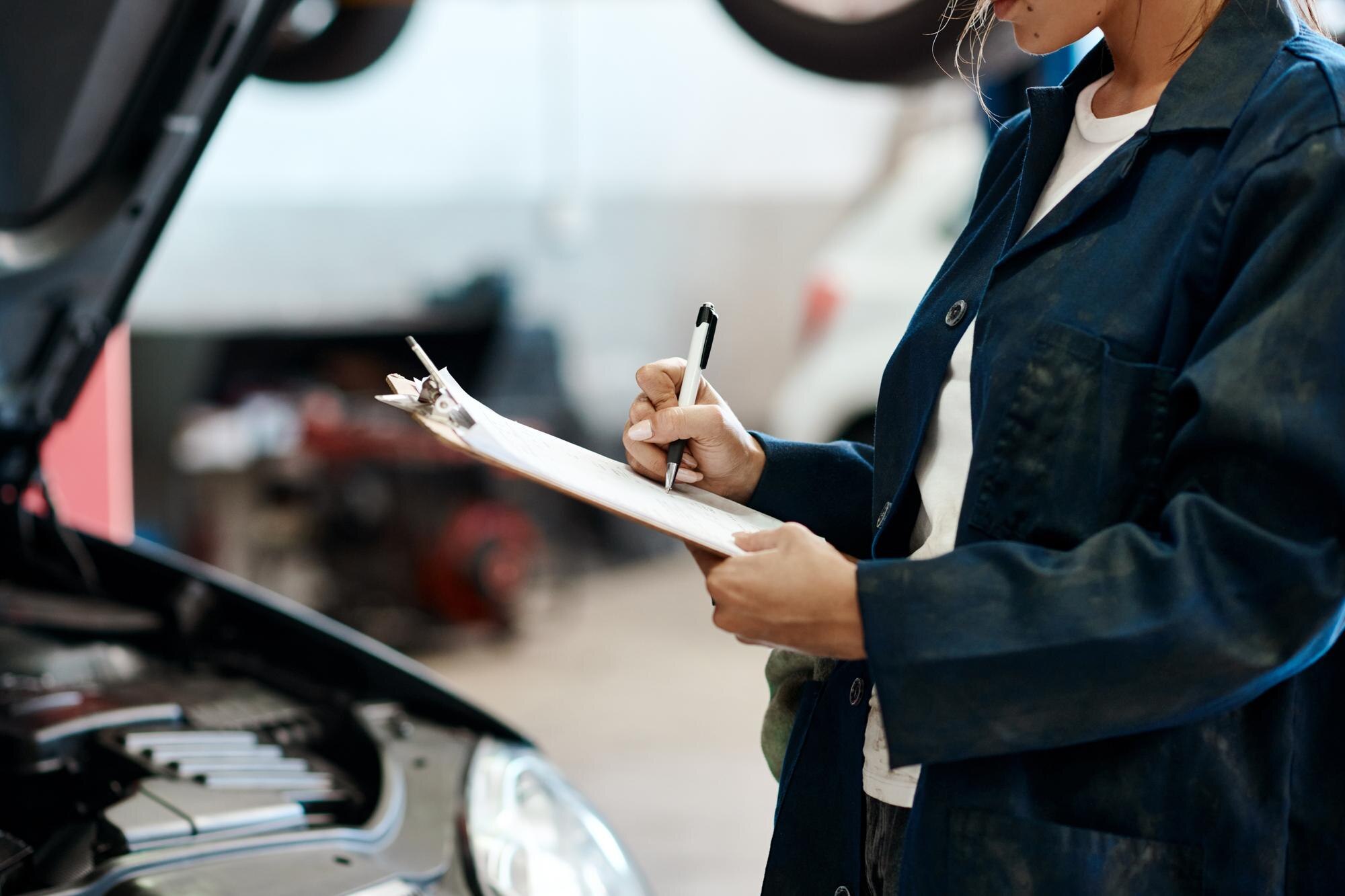
A visual inspection is only the first layer. When you approach a vehicle, look for inconsistent paint colors between panels, which suggests previous bodywork. Check the tires for uneven wear—this often indicates alignment or suspension issues. Open the hood and look for signs of leaks, brittle hoses, or a battery covered in corrosion. Inside the cabin, test every single electronic component, from the window switches to the air conditioning and infotainment system.
The test drive is non-negotiable. Turn off the radio and listen for unusual sounds: clunks over bumps, squealing brakes, or a whining transmission. Feel for vibrations in the steering wheel at highway speeds. However, even a perfect test drive doesn't replace a Pre-Purchase Inspection (PPI) by a certified mechanic. Spending a small amount on a professional diagnostic can save you thousands in future repairs. If a seller refuses to let you take the car to a mechanic, consider it a major red flag and walk away.
4. Required documents
The paperwork is what makes a transaction legal and binding. For sellers, ensure you have the Title (or Pink Slip) ready and that it is clear of any liens. If you still owe money on the car, contact your lender to understand the process of transferring the title. You will also need a Bill of Sale, which should include the VIN, purchase price, date, and signatures from both parties. This document protects you from liability once the car leaves your driveway.
Maintenance records are the most powerful selling tool. A organized folder of receipts shows the buyer that the car was cared for, justifying a higher price. For buyers, verify that the VIN on the paperwork matches the VIN on the vehicle (usually found on the dashboard or door jamb). Check for recent emissions certificates if required by your state. Never buy a car from someone whose name is not on the title unless they have a legal power of attorney—this is known as 'title jumping' and is illegal in many jurisdictions.
5. History check
A car's history is often hidden beneath a fresh coat of wax. Use the Vehicle Identification Number (VIN) to run a comprehensive report through services like Carfax or AutoCheck. These reports reveal critical information: accident history, title brands (like salvage or flood damage), odometer rollbacks, and the number of previous owners. A car with five owners in three years might suggest recurring mechanical problems that no one wanted to fix.
Pay close attention to service records within the history report. Regular oil changes and scheduled maintenance are signs of a healthy vehicle. Also, check for open safety recalls that haven't been addressed. While history reports are incredibly useful, they aren't perfect—not every accident is reported to insurance. Use the report as a guide to ask the seller specific questions about the car's past. If the report shows an accident in a specific area, pay extra attention to that part of the car during your physical inspection.
6. Preparing for sale
If you are the seller, presentation is everything. A clean car sells faster and for more money. Start with a deep interior and exterior detail. Remove all personal items, vacuum every corner, and clean the glass until it's streak-free. If the paint is dull, a simple wax job can restore its shine. Address minor issues that are easy to fix, such as burnt-out light bulbs or low fluid levels. These small flaws can give buyers leverage to negotiate the price down.
Photography is your first point of contact with potential buyers. Take high-quality photos in soft, natural light—early morning or late afternoon is best. Capture all angles of the exterior, the engine bay, the trunk, and the dashboard with the engine running to show no warning lights. Be honest in your description; mentioning a small scratch builds trust and prevents wasted time during in-person viewings. A well-written ad that answers common questions upfront will attract more serious buyers.
7. Saving on purchase
Buying a car doesn't have to break the bank if you use the right strategies. Timing is a major factor; dealerships often have quotas to meet at the end of the month or year, making them more willing to negotiate. For private sales, having cash on hand is your greatest leverage. Sellers often prefer a quick, guaranteed cash payment over a buyer who needs to secure financing. Always be prepared to walk away if the price doesn't meet your budget—there is always another car.
Consider the total cost of ownership, not just the sticker price. Research insurance premiums, fuel efficiency, and common repair costs for the specific model you're interested in. Sometimes a slightly more expensive car with a better reliability record is cheaper in the long run than a 'bargain' car that needs constant repairs. Don't be afraid to point out flaws found during the inspection to negotiate a lower price, but be fair and realistic with your offers.
8. Avoiding loss on sale
To maximize your return when selling, you must understand the psychology of the buyer. Set your asking price slightly higher than what you are willing to accept to leave room for negotiation. However, don't overprice the car so much that it gets ignored by the market. If the car hasn't sold in two weeks, your price is likely too high for the current demand. Be responsive to inquiries; a buyer who has to wait two days for a reply has likely already moved on to another listing.
Safety and security are also part of avoiding loss. Meet potential buyers in public, well-lit places. Never release the car or the title until you have confirmed that the payment is legitimate. Cash is king, but for larger amounts, a cashier's check verified at the buyer's bank is a safe alternative. Avoid any 'payment plans' or complex escrow schemes. Once the sale is finalized, notify your insurance company and the DMV immediately to ensure you are no longer responsible for the vehicle.
9. Common mistakes
One of the biggest mistakes is skipping the VIN check or the PPI. Buyers often think they can 'feel' if a car is good, but modern cars can hide significant electronic and structural issues. Another mistake is failing to verify the seller's identity. Always ask to see a photo ID and ensure it matches the name on the title. For sellers, a common error is not having the paperwork ready, which can cause a serious buyer to lose interest and look elsewhere.
Ignoring the 'gut feeling' is another trap. If a deal seems too good to be true, it almost certainly is. Whether it's a suspiciously low price or a seller who is overly pushy, these are signs of trouble. Lastly, many people forget to check the car's 'consumables'—tires, brakes, and fluids. A car that needs four new tires and a brake job immediately after purchase is effectively $1,000 more expensive than its asking price. Always factor these upcoming costs into your final decision.
10. Final checklist
For Buyers:
- Run VIN History Report
- Schedule Professional Inspection
- Verify Title and Seller ID
- Conduct 20-min Test Drive
- Check Insurance Quotes
For Sellers:
- Full Interior/Exterior Detail
- Gather All Service Records
- Take 20+ High-Quality Photos
- Prepare Bill of Sale
- Remove Personal Toll Tags